The Team That Holds the Process Together
The Team That Holds the Process Together
Charitable organizations tend to talk about outcomes. The number of aid deliveries, the volume of assistance provided, the projects completed. Far less often does the focus fall on the people behind those processes — the ones who weave them into the fabric of daily work.
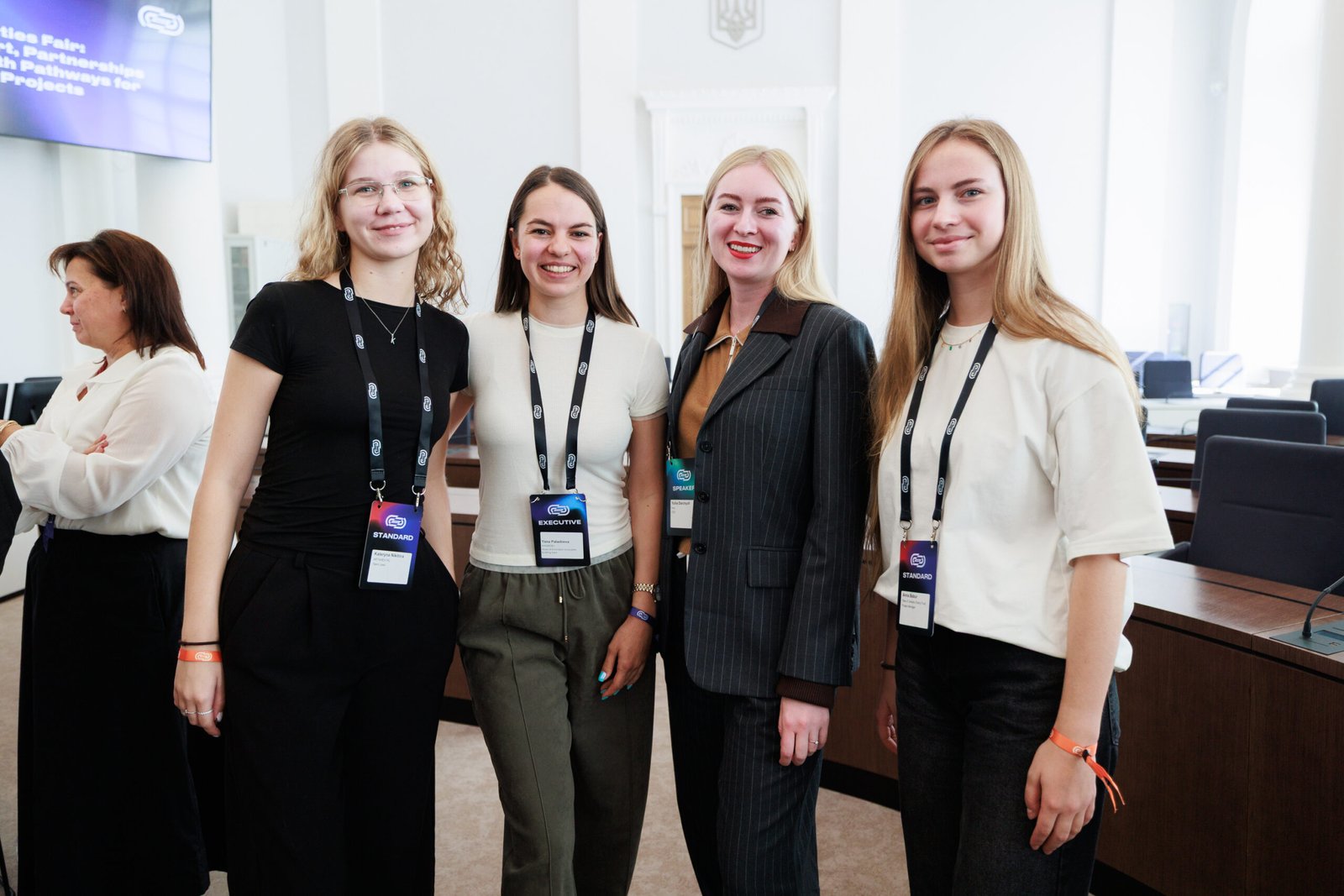
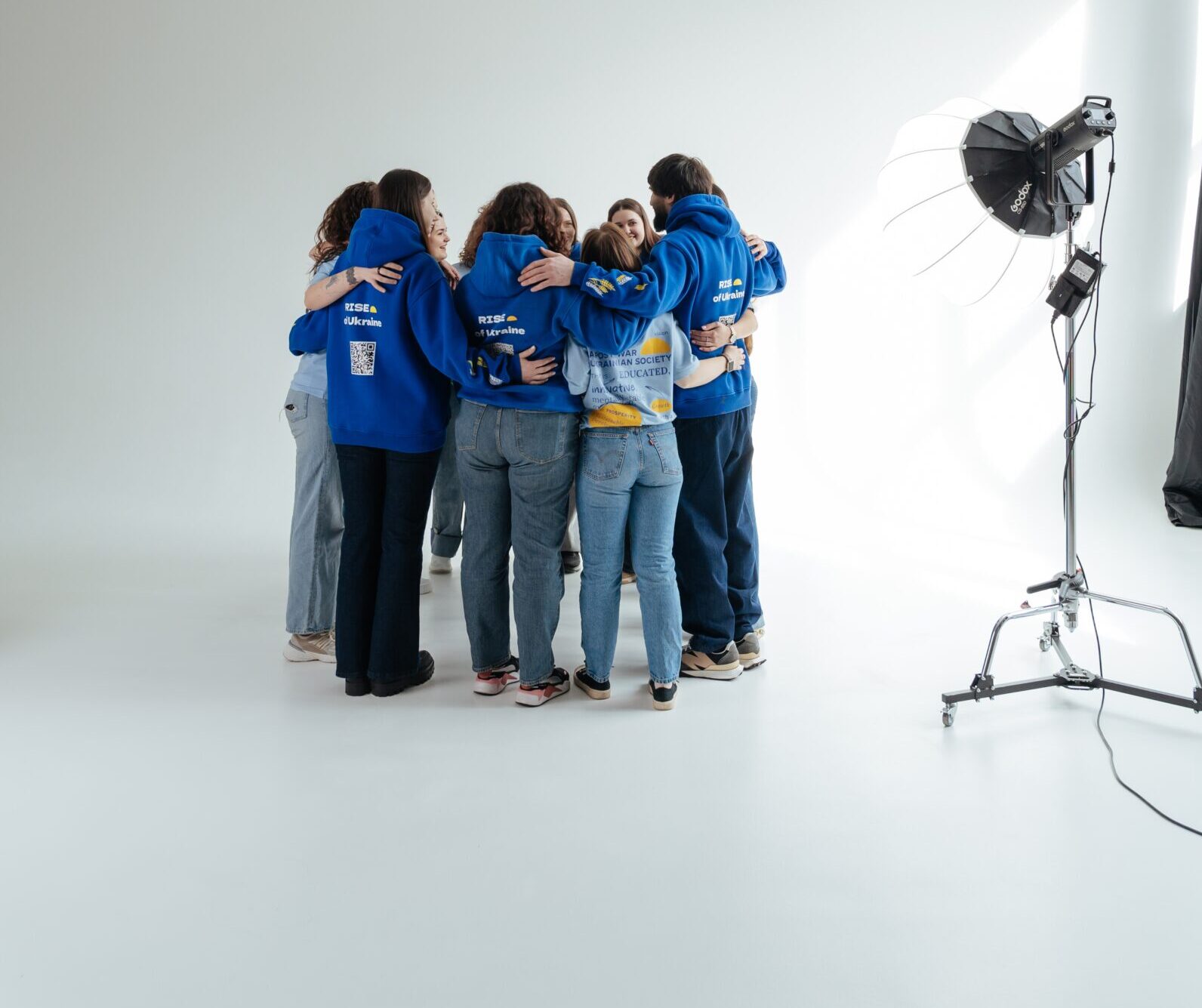
At Rise of Ukraine, the team does not resemble a uniform structure assembled along formal lines. It is made up of people with different backgrounds, different professional trajectories, and different working rhythms, who came together at a single point — either during the war itself, or by redirecting the course of their own careers to join the foundation.
Some team members came from the commercial sector, bringing experience in business, communications, and project management. Others came from the non-profit world, where working with people and social initiatives was already part of their practice. For some, this was their first sustained involvement in charitable work — and yet it was precisely that experience which shaped the direction of everything that followed.
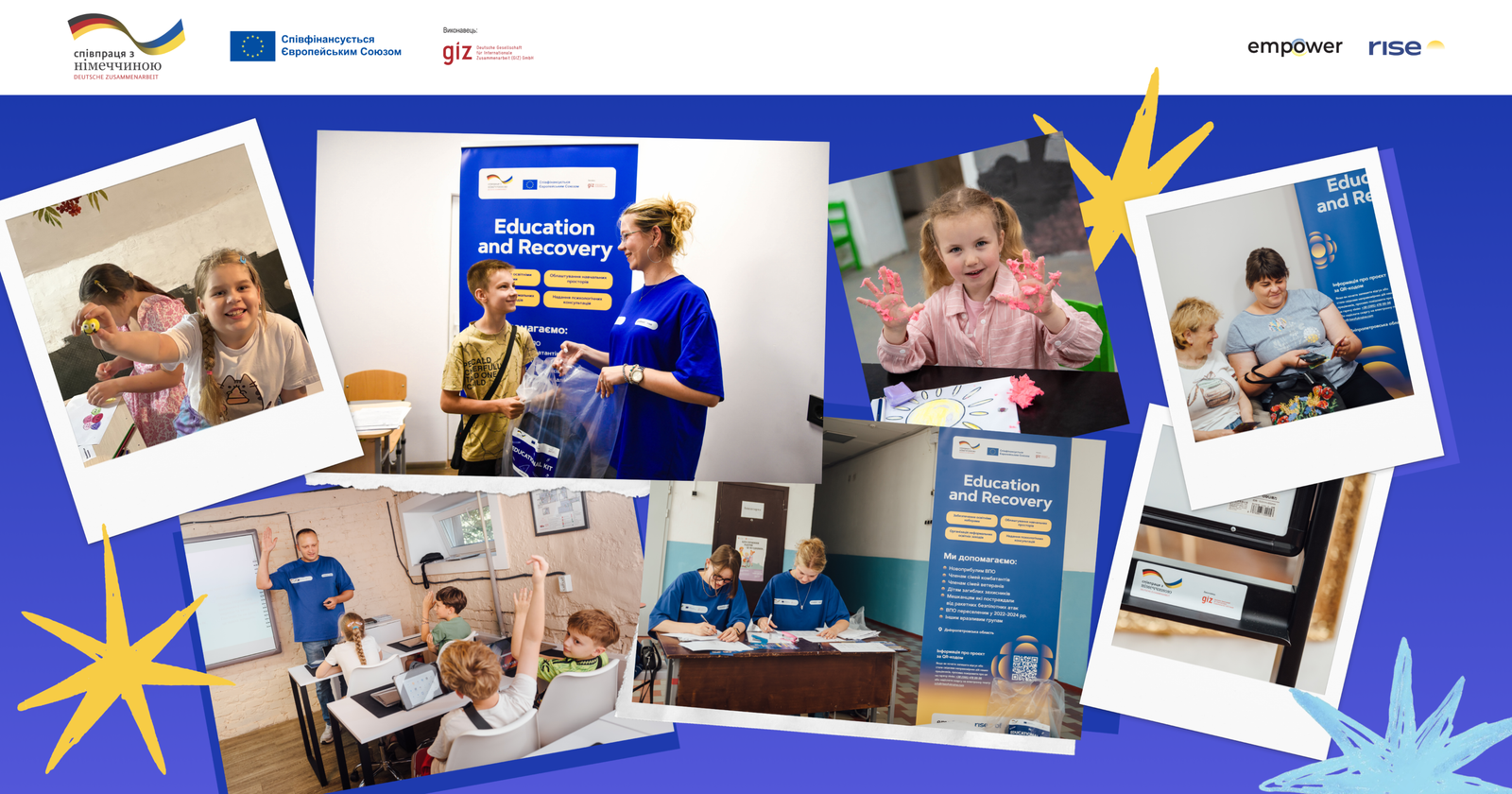
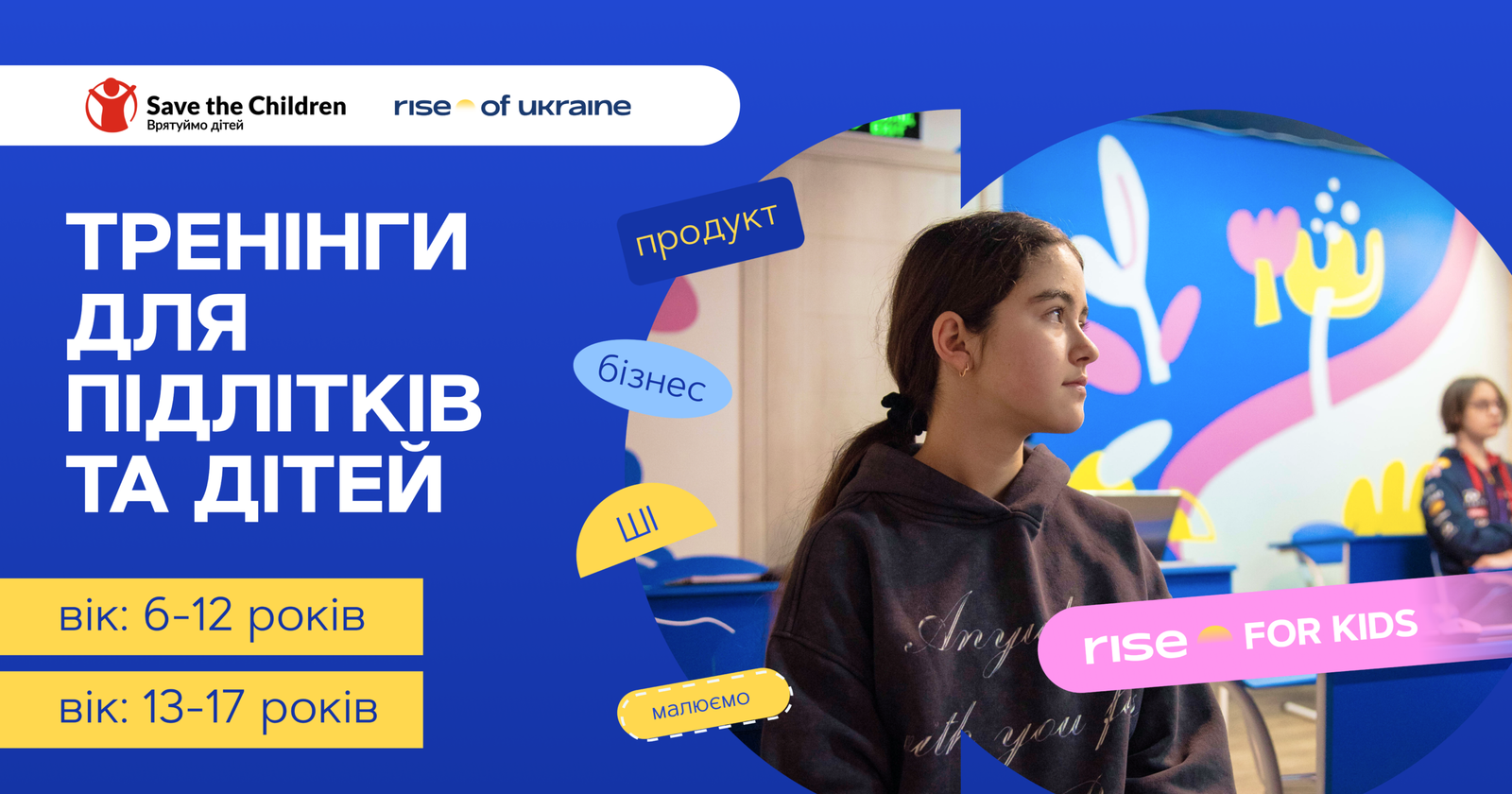
The foundation’s work involves a constant shift in tasks. At one point it may mean humanitarian field trips and aid logistics; at another, educational programs, work with children, launching new courses, or organizing events. This dynamic places a demand on the team to move quickly between processes while maintaining the quality of execution throughout.
There is no single script for how work gets done within the team. Some tasks are handled through clearly structured processes; others through fast decisions made under time pressure. This creates an environment in which what matters is not only professional skill, but also the ability to adapt, negotiate, and take ownership of results.
Differences in experience and approach do not dissolve in the course of working together. On the contrary, they become a resource — one that allows problems to be looked at from multiple angles. Where one person sees risk, another finds a solution, and a third finds a way to make it work within the constraints at hand.
This is especially visible in large-scale projects that require several areas of work to operate simultaneously. Organizing festivals, launching educational programs, coordinating humanitarian aid — each of these processes calls for different competencies, all brought together within a single team.
Running alongside all of this is the ongoing work with people who turn to the foundation for help. Requests vary in complexity and scale, but each one requires attention and genuine engagement. This creates another layer of responsibility — one that is not always visible from the outside.
Over time, a shared understanding of how the system works develops within the team. It is not codified in formal rules, but it shows up in the way people interact, in the speed of decision-making, and in how workload is distributed.
It is this internal coherence that allows the foundation to operate across multiple areas at once without losing sight of what it is working toward.
The team in this format is not static. It evolves alongside the tasks that arise, and alongside the experience that accumulates. People join, engage with the processes, take responsibility for specific areas, and form new connections within the structure.
In all of this movement, it is difficult to identify a single characteristic that fully describes the team. It is more a matter of combining different approaches in a way that holds the balance between speed and quality, between structure and flexibility.
And it is precisely that combination which makes it possible to carry out projects that require not only resources, but the sustained involvement of people capable of working within a reality that is constantly changing.
More news