Pavlo: A Story About a Childhood That Has to Be Rebuilt
Pavlo is eleven. He is from Kharkiv — a city where a significant part of his life remains: training sessions, performances, first victories, and the familiar environment that shapes a child far more than it might seem.
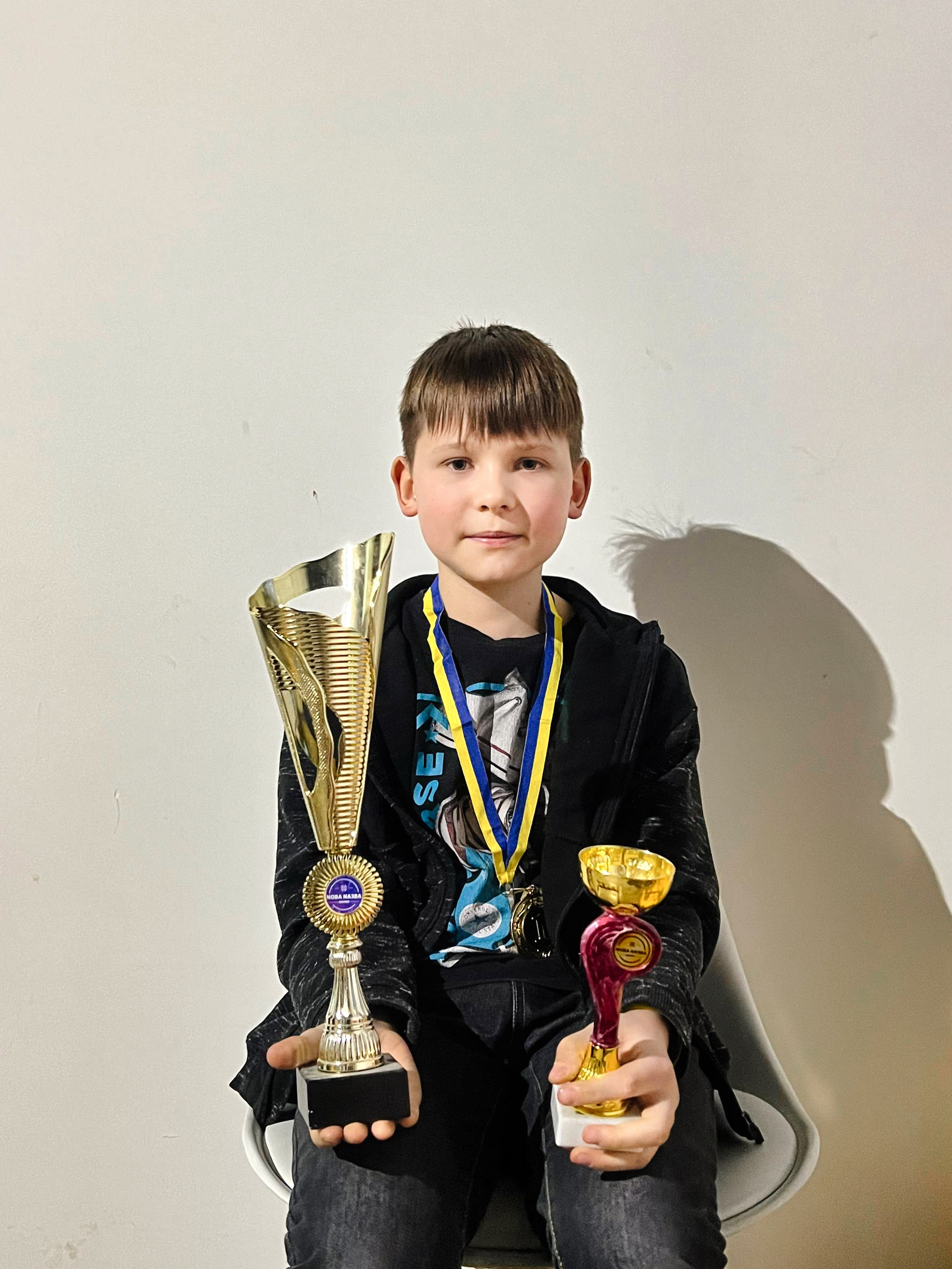
Before the full-scale invasion, his days were filled with activity. He sang, competed in regional contests, won prizes, and collected certificates and trophies. Alongside that, he played sport: football as a right forward, training with different teams, working on his technique and stamina. Swimming and taekwondo were part of his routine as well — different disciplines that, taken together, gave him a sense of movement and growth.
When the full-scale war began, that structure disappeared.
The family left Kharkiv. Some of their belongings stayed behind, along with the awards Pavlo had earned over several years. In the city where he used to train, a missile struck the sports facility where his swimming sessions were held.
For a time, the family lived in Vinnytsia. Then, in 2024, they relocated to Dnipro. The decision to move was not a choice made freely — combat operations were drawing closer, shelling was intensifying, and at some point, watching military vehicles pass outside the window, the family understood that staying was no longer an option.
Changing cities meant more than changing an address. With each move came a new environment, the disappearance of familiar social circles, and the need to build everything from scratch all over again.
Football, which had once taken up a major part of his life, was put on hold in Dnipro. Regular training was not possible, though the desire to return to the game never left him.
At the same time, Pavlo did not stop doing what had already become his way of keeping rhythm in his life.
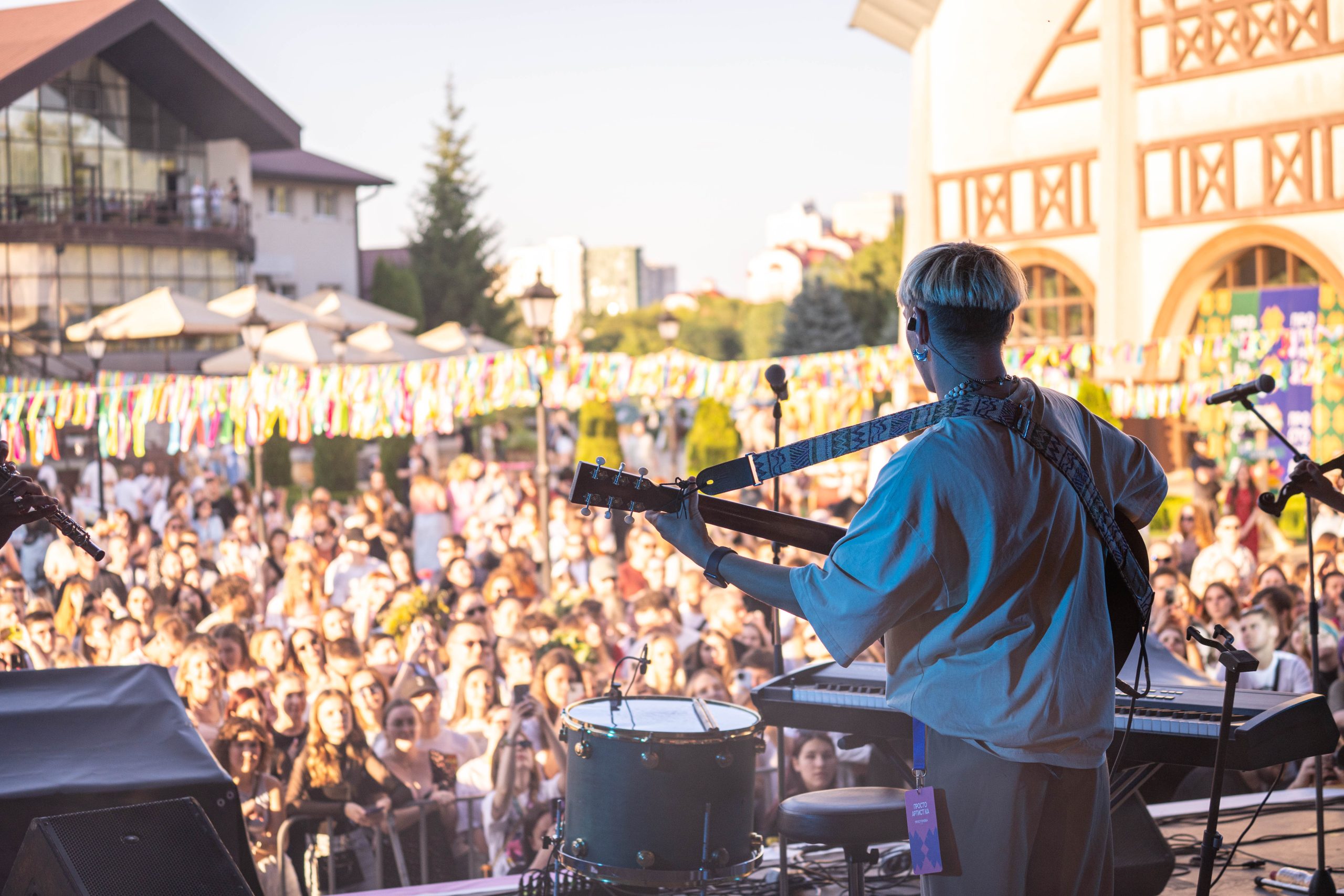
He kept singing. Six years of practice did not vanish with the move, and he began entering competitions again, performing, winning prizes — gradually recovering what had been lost along the way.
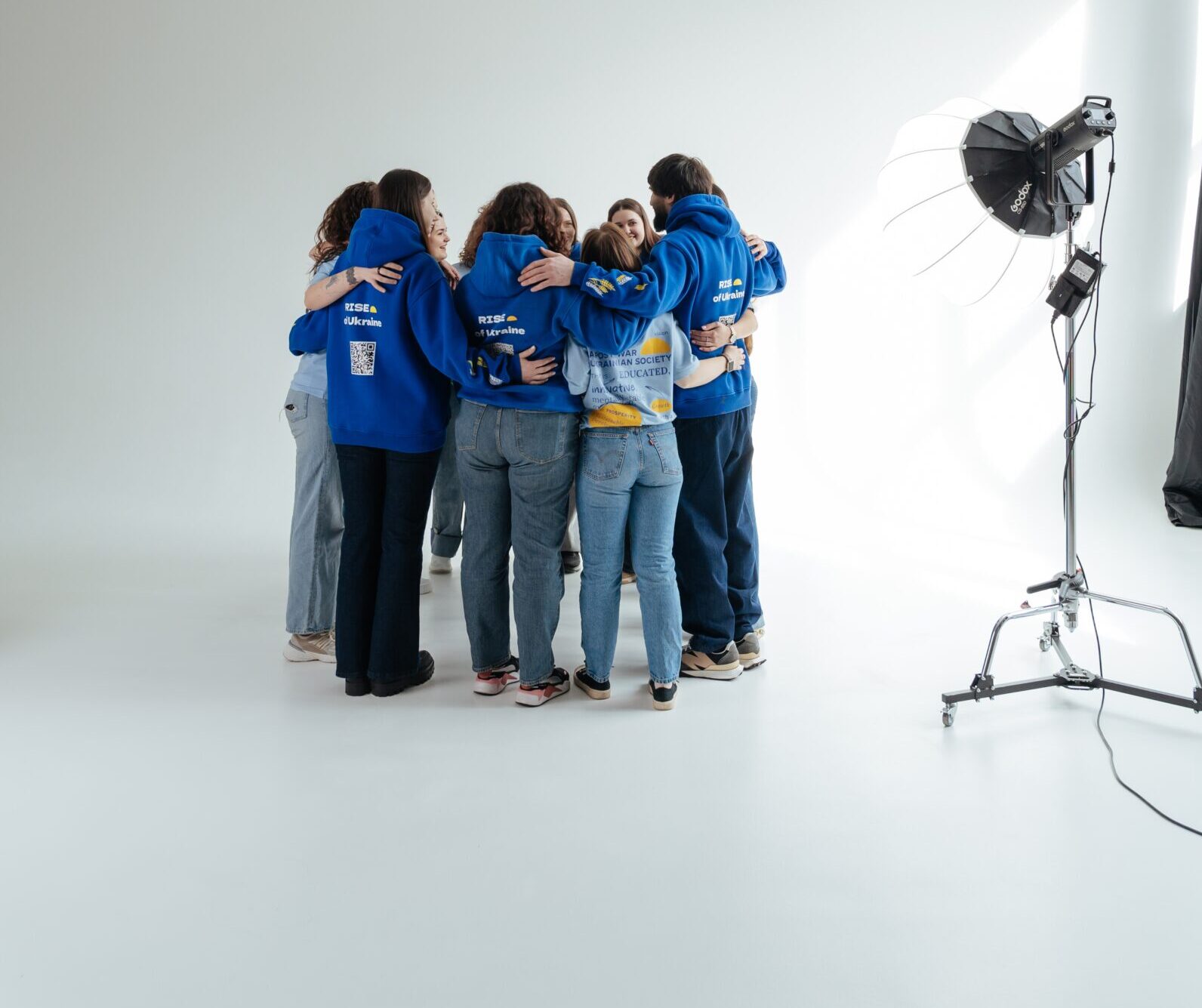
In Dnipro, he began attending programs at the Rise of Ukraine foundation. First came creative workshops, then media literacy courses and kickboxing training.
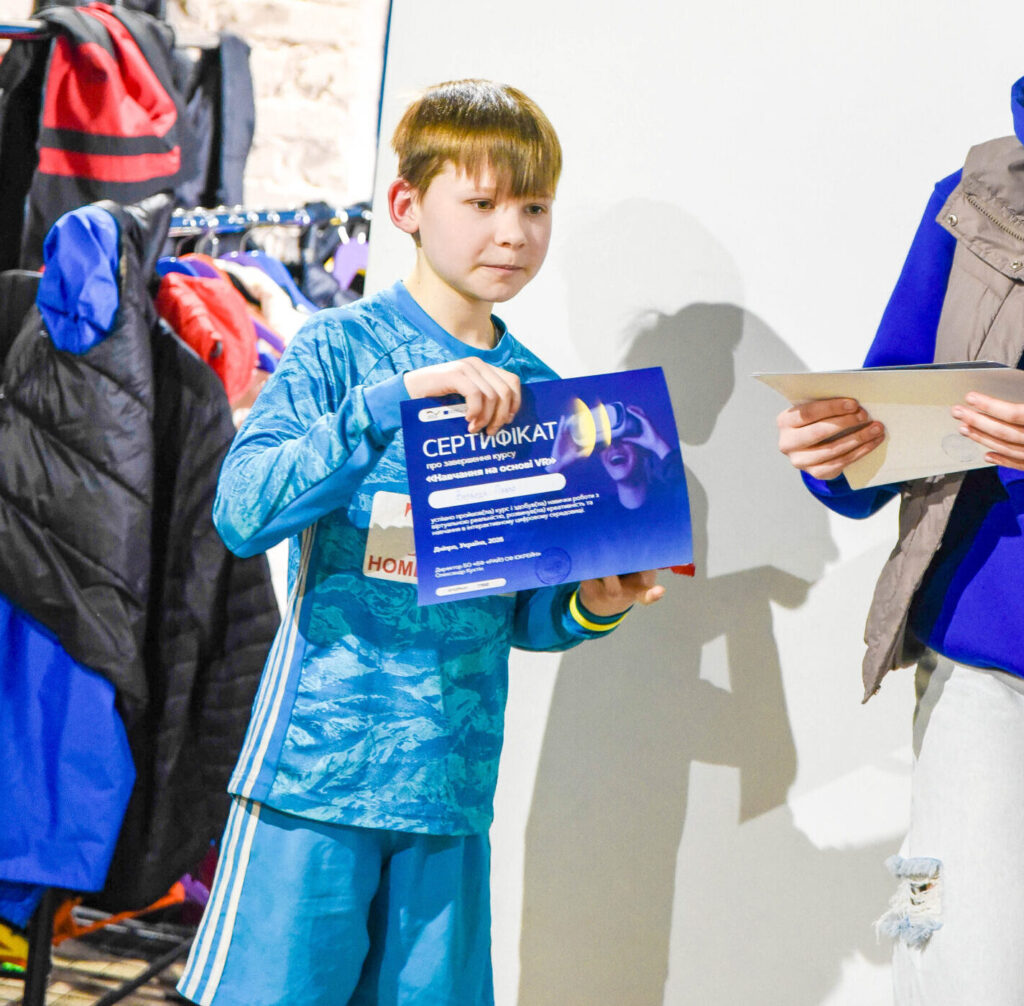
By engaging with new activities, Pavlo gradually found himself in an environment where it was possible not only to learn, but also to connect with other children.
That turned out to be one of the most difficult parts.
After several relocations, making new friends proved far harder than returning to classes. Through a soft skills course, he was able to meet other children, build new connections, and gradually adjust to his new surroundings. Pavlo himself describes this as his own personal victory.
The kickboxing training also produced tangible results. Working with coaches, he was able to improve his technique and endurance, returning to that sense of progress he had known before the relocations began.
Today, Pavlo continues to train and perform. He takes part in vocal competitions, wins prizes, and develops in sport at the same time.
His story cannot be reduced to a single event or a single achievement. It is made up of a series of consistent efforts to hold on to familiar reference points — moving between cities and environments, but never letting go of what shapes him as a person.
In a situation where childhood has no stability, it is precisely these kinds of activities that become anchors — allowing him to preserve a sense of forward movement and gradually restore the rhythm of an ordinary life.
More news