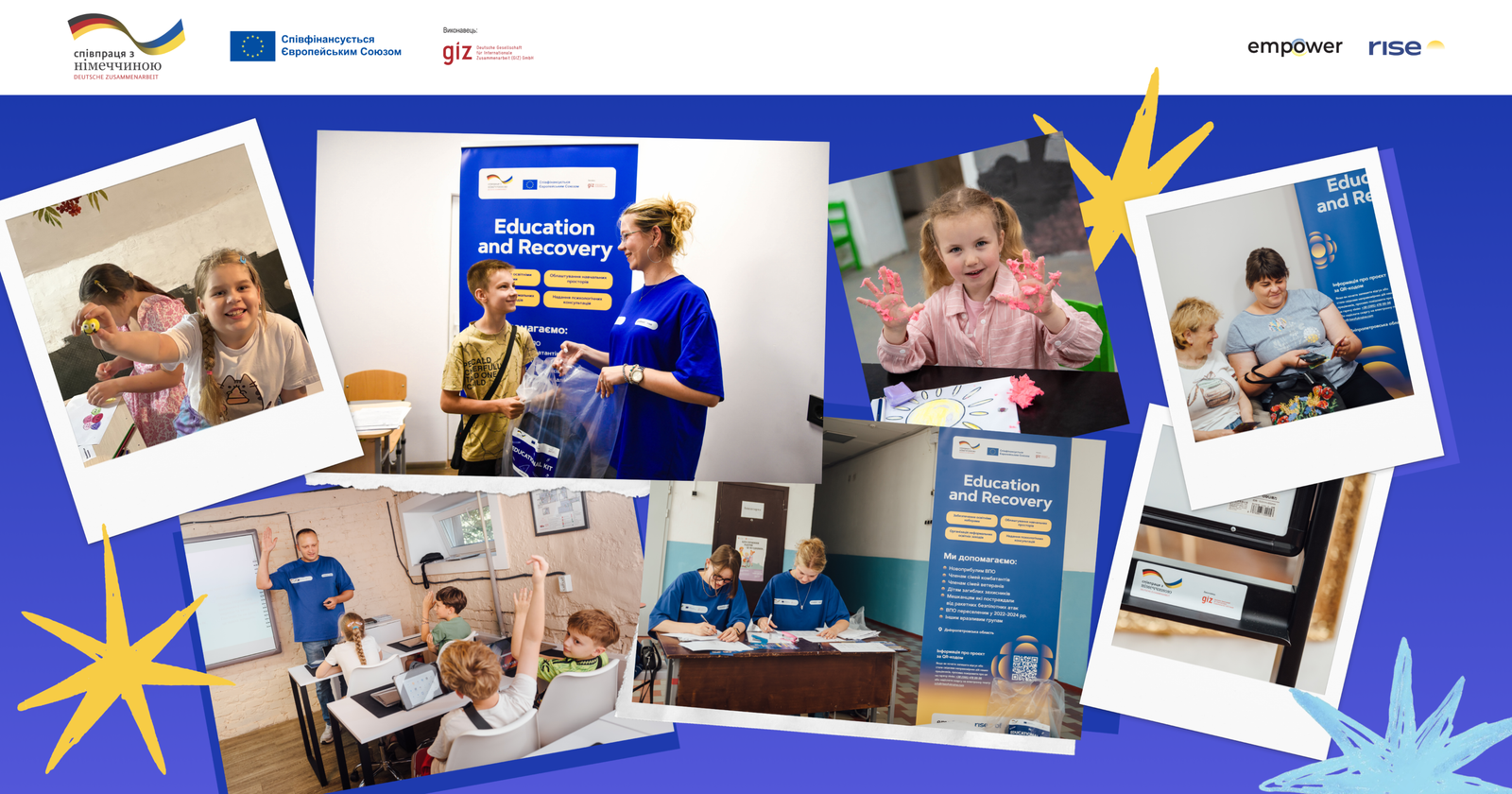
Education and Recovery: Looking Back at a Completed Project Phase
When we launched Education and Recovery, we wanted to bring together two things people need now more than ever: the opportunity to continue learning and access to support when times are difficult.
Over the past few months, Rise has equipped two rooms for psychological support, provided hundreds of consultations, launched nine educational programmes for children and teenagers, distributed nearly a thousand educational kits, and helped equip school shelters in communities across Dnipropetrovska Oblast.
Now, we can bring all this work together in one place and look back at the results of this project phase.
Psychological Support at Rise
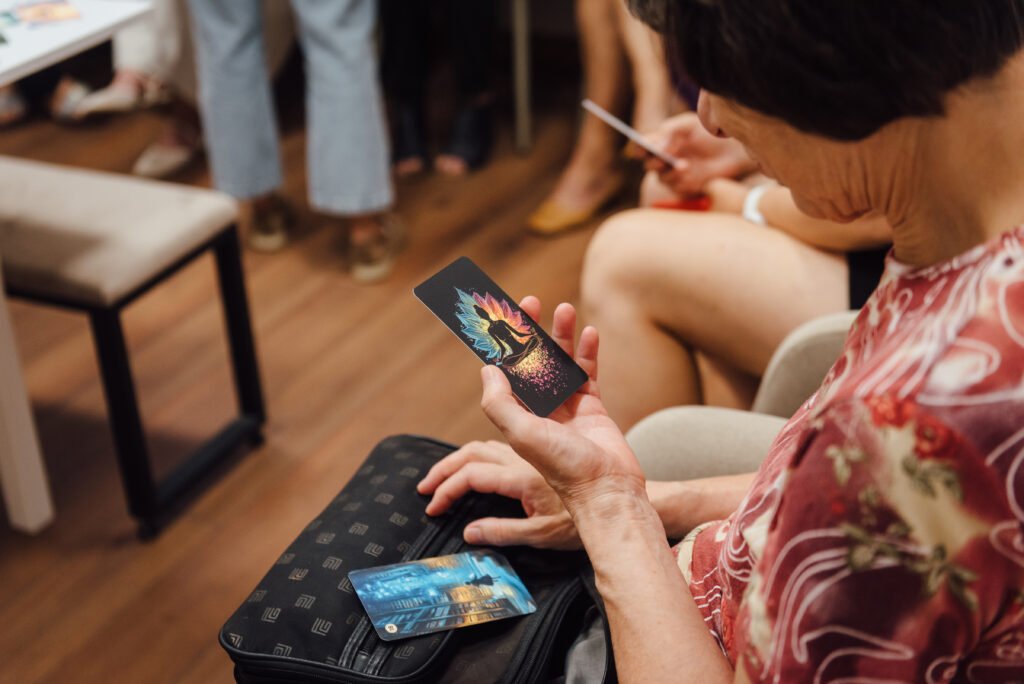
Two separate rooms were equipped at the Hub: one for individual consultations and another for group psychological sessions.
During the project, psychologists held hundreds of individual consultations and dozens of group sessions. Yet behind these figures are always very different conversations, personal concerns, and changes that people gradually begin to notice in themselves.
After attending individual consultations, Kostiantyn says he has started to better understand what helps him organise his thoughts, reduce inner tension, and manage his emotional well-being.
For Olha, who attended group sessions, an important part of the experience was connecting with people around whom she could feel understood and accepted. She says she has learned to better recognise her emotions and communicate more openly with others.
For us, these are the kinds of changes that say far more about the impact of our work than the number of sessions delivered alone.
Nine Educational Programmes at the Hub
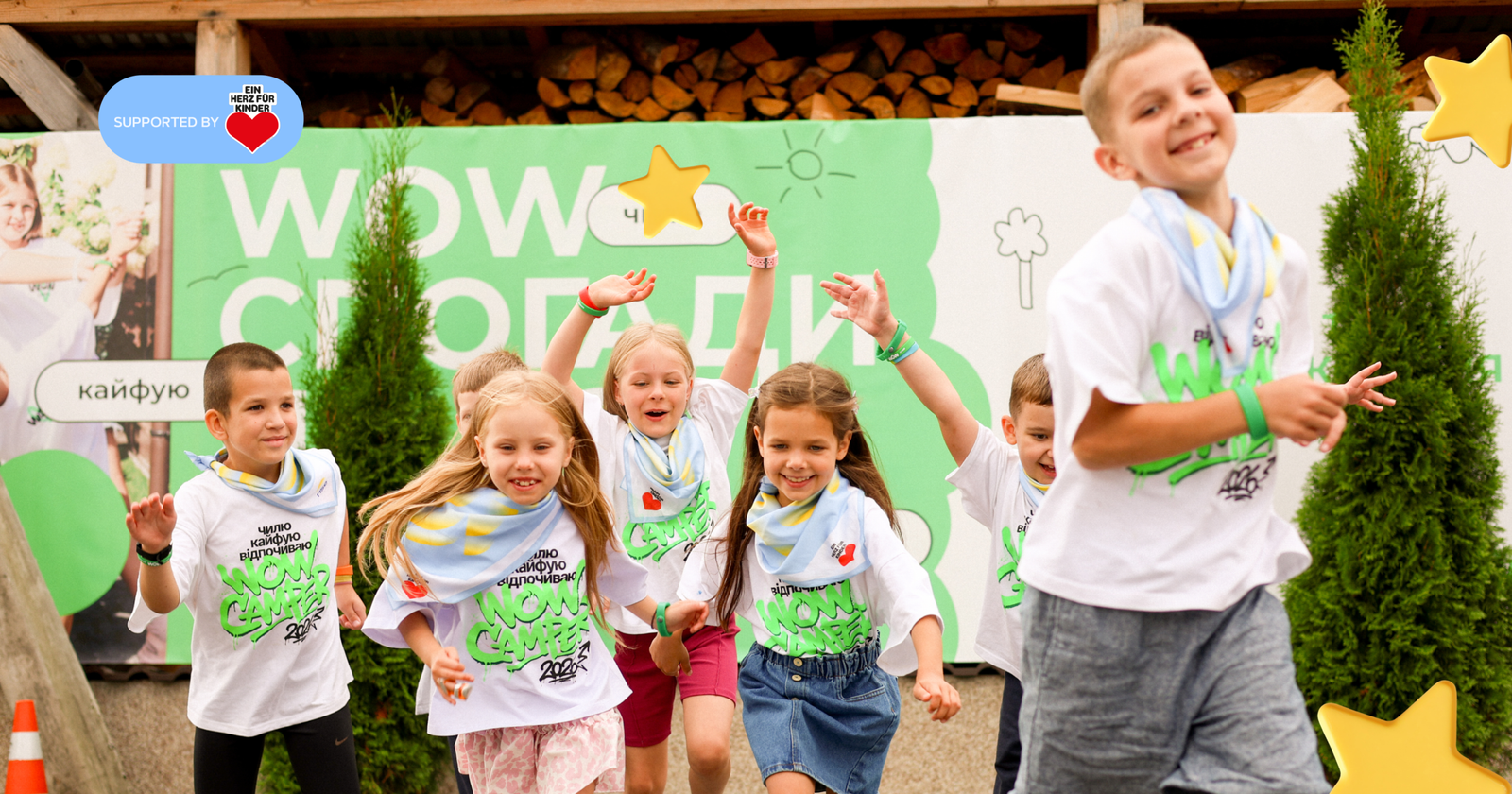
Alongside psychological support, children and teenagers continued learning at Rise.
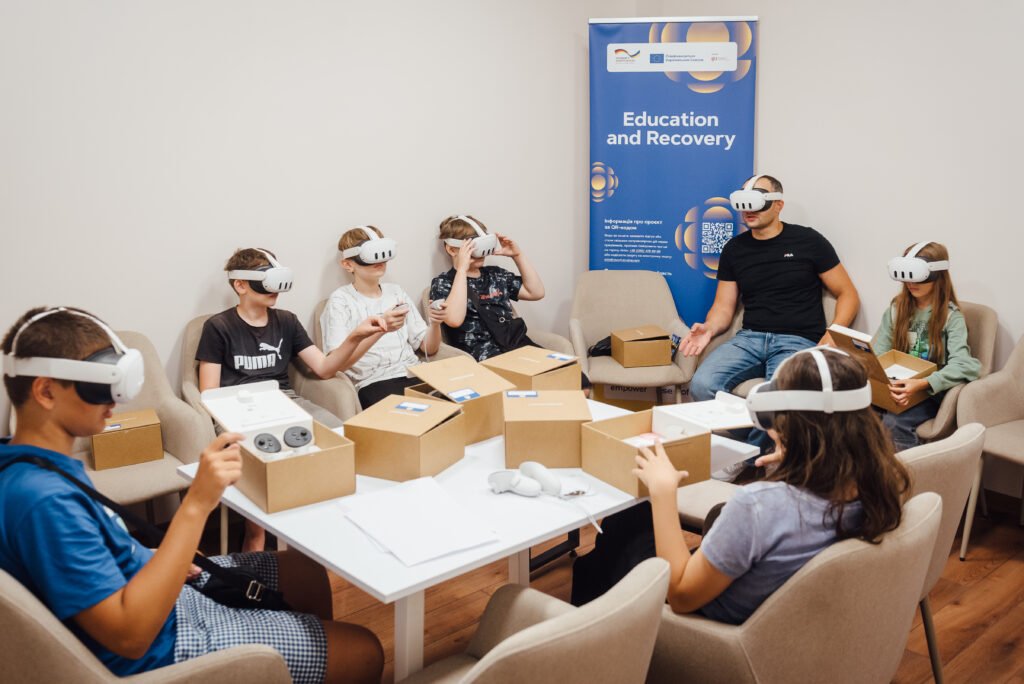
Throughout the project, the Hub offered courses in robotics, cybersecurity, English and French, media literacy, financial literacy, career guidance in IT, soft skills development, and VR-based learning.
Hundreds of classes took place, and hundreds of children participated in the various educational programmes.
Tetiana’s son, whose family relocated from Donetska Oblast, attended French classes. She recalls the modern teaching format, the teacher, and how much her son enjoyed attending the course.
Yuliia’s daughter chose VR. During the sessions, children used virtual reality headsets, explored modern technologies, and learned how they work.
Yuliia says that after relocating, it is especially important for children to have opportunities to try something new, discover an interest, meet other children, and simply spend a few hours in a safe environment.
We wanted learning within this project to be more than just another class after school. We wanted children to discover something that genuinely sparked their interest, ask plenty of questions, create something with their own hands, and return for the next session with even more curiosity.
Nearly a Thousand Educational Kits
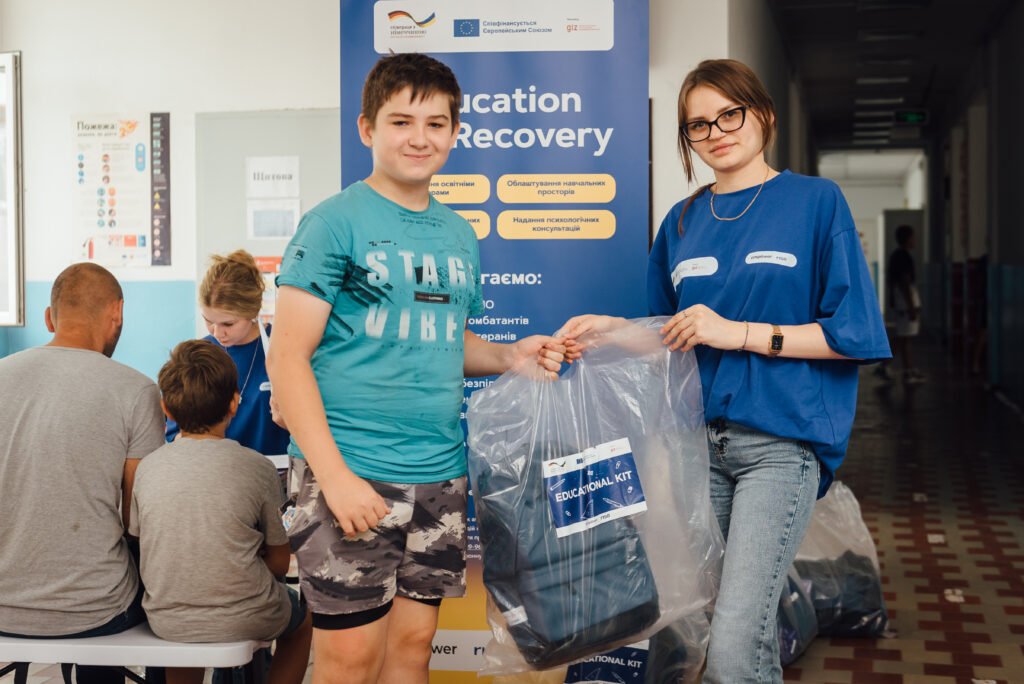
Another component of Education and Recovery was the distribution of educational kits.
During the project, children received around a thousand kits containing backpacks, stationery, and other essential school supplies.
This is a simple and practical form of support, especially for families who have been forced to relocate and rebuild many aspects of everyday life from scratch — from household essentials to school supplies.
That is why, alongside the project’s broader educational programmes, we also made room for these basic needs.
So Lessons Can Continue Even During an Air Raid Alert
Another major area of work was equipping school shelters in communities across Dnipropetrovska Oblast.
Rise did not carry out shelter renovations. Instead, we equipped existing spaces with the resources they lacked to support learning and accommodate children for extended periods, including technical equipment, projectors, fire safety equipment, educational materials, and other essential supplies.
One of these shelters is located at Liashkivskyi Lyceum.
Because of frequent air raid alerts, students spend a significant part of the school day there. The school’s principal, Nataliia, explains that the improvements have made it more convenient to work in the shelter and allow lessons to continue even during prolonged alerts.
Iryna, the deputy principal, illustrates this with a simple example. In their regular classrooms, children are used to working with interactive boards, presentations, and videos. Previously, once they moved to the shelter, all they had was a regular blackboard and chalk. Now, interactive equipment is available there too.
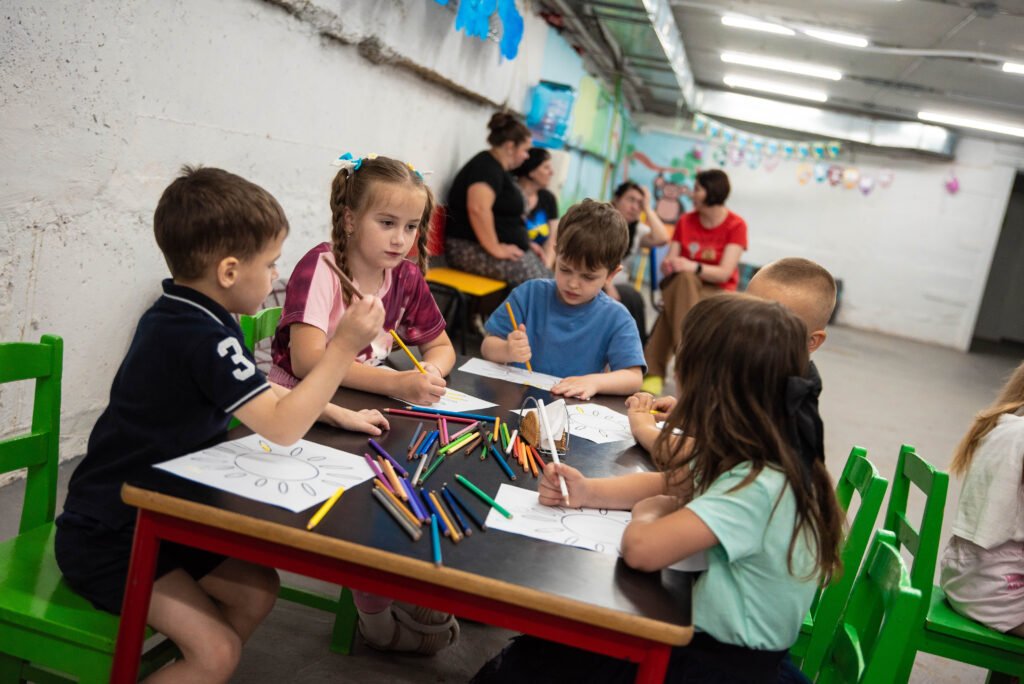
Educational materials, games, colouring books, and stress-relief items were also provided for younger students to use while staying in the shelter.
Art&Mind sessions were held there as well. These psychology-informed creative sessions gave children an opportunity to draw, work with different materials, talk about their emotions, and take a mental break from the surrounding stress.
Що маємо наприкінці цього етапу
When Education and Recovery began, the team had an ambitious plan: individual psychological consultations and group sessions, courses at the Hub, educational kits, shelter improvements, and Art&Mind sessions.
Most of the planned targets have been achieved or exceeded.
But after several months of work, it is the people and their experiences that we find ourselves remembering most often, rather than the numbers.
We remember children asking when the next session would be before they had even finished their first one. Messages from parents after the courses. Lessons in shelters where teachers can now put on a presentation instead of waiting for the all-clear. Conversations with people after psychological sessions, when they begin to notice for themselves that something inside feels clearer or a little lighter.
We are deeply grateful for the opportunity to do all this work.
We are grateful for the support that made it possible to work on education, psychological recovery, and safety at the same time. And we are grateful to the teachers, psychologists, schools, parents, and children who became part of Education and Recovery.
According to the original plan, this is where we should be writing about the project’s completion.
But we have a better option 😌
Education and Recovery continues.
For now, we are reflecting on the results of the first phase, taking everything we have learned over these months with us, and moving forward. We now have a clearer understanding of what works, what can be improved, and how much more we want to accomplish.
We will continue learning, supporting, and recovering together with Rise and EMPOWER 💙💛
The Education and Recovery project is implemented within the EMPOWER project, funded by the German Federal Ministry for Economic Cooperation and Development (BMZ) together with the European Union and implemented by GIZ Ukraine.
More news